

BLOG
Coach Tips : Finding Work Experience
Looking to find work experience during the summer? Our super coaches are here to help and have shared some of their own tips just for you!

By Aliya Nabil
It’s summer again. Time for longer and warmer days. A break from the school year but not necessarily a break from school! With many students having to send off their university applications later in the year, summer is a great time to beef up personal statements with new and meaningful experiences.
One of the ways to do this is to get some work experience. Perhaps you’re not diving into the world of employment anytime soon, but putting in the effort to immerse yourself into a possible career path can not only help you decide your future but also looks great on your personal statement!
The first question people ask with regards to finding work experience is “where do I start?”. Technically, the options are endless. Therefore, the first thing to do is to figure out what kind of work experience you’re looking for. What subjects are you looking to take at university and what skills might you want to acquire on the job? This is to say, that the work experience you do might not necessarily be directly related to the subject you want to take but may utilise the skills you might need for that course. For example, if you were looking to do medicine and if shadowing a doctor wasn’t possible, perhaps volunteer for a hospital charity.
Of course there is no clear cut guide to how to find work experience. That’s why we have asked some of our fantastic coaches to share some of their own tips on the matter.
So where’s the best place to start? "I don’t know anyone in the field", I hear you say. That’s where networking comes in. Networking is just a fancy word for building connections with different people. This doesn’t have to mean going into a room full of people in suits and asking for business cards. It can just be asking people you already know.
“Use the connections you already have. For example, your head of year or youth worker might even know someone in your field - if you don’t ask you’ll never know! ”
Asking around is a really good thing to do (in general). The person with your dream job may not be your uncle but there is a high probability that you have a mutual contact. Facebook suggests that the average degrees of separation is just 3.57 – meaning four contacts away and you’re on a first name basis with Leo (DiCaprio obviously).
Besides connecting with people in person, you can also connect with people online via Linkedin.
“ Get Linkedin (it’s like Facebook for professionals). Add all your fellow students and relevant family friends. It works like a mini cv/profile/sales pitch to employers and gives you something to send to companies if you don’t have a CV or are sending out prospective emails.”
On another note, this doesn’t mean all contacts are based on mutual relationships. As Coach Os puts it- you need to be inquisitive!
“Be inquisitive. When you walk into a store or a place you will ask for work experience, don’t ask for it straight away. Ask a question that will spark their interest in you as a person. Get a conversation flowing, and then ask for work experience at the end. This works like magic!”
If you’re anything like me you might find yourself asking, what kinds of questions should I ask? My advice would be questions that don’t have a yes/no or single word answer. People generally like talking about themselves. Asking a question like “why did you decide to join this field?” makes for both an interesting story to tell and listen to. An open question like this paves the way for more informed questions.
There are also other ways of finding work experience. Many organisations offer formal opportunities for secondary schools to get work experience. This is a fantastic way to work with larger organisations. The application process may also prepare you for future applications. Coach Mahalia’s tip for London based students is to look up organisations such as The Brokerage, VInspired and Task Squad. For those looking to do health related subjects, Coach Nicholas suggests looking at different NHS Hospital websites as they usually have a page for secondary students looking for work experience opportunities. Simply googling the organisation you are interested in and looking through their ‘Careers’ section may also help you find opportunities specific to secondary school students.
Coach Carole’s tip is to build your network from an organisation you may already have connections with and enjoy working with (for Carole that’s CoachBright obviously!). Keep in touch with the connections you build from previous experiences. Email them for a reference or advice.
There are two things that many people forget that need to be highlighted from what has just been mentioned.
Firstly, keep in touch with people and make sure to follow up! As Coach Os put it, be persistent!
“ Be persistent. If someone has offered to take you in or look at your CV for work experience, but hasn’t gotten round to looking at the CV you handed them. keep checking in once a week or so. For example, I walked into a Pharmacy and asked for work experience. They said yes and I gave them my CV. Once a week, for a month, I walked in and asked (VERY POLITELY) If they’ve gotten round to looking at my CV. Because I was so persistent, they just gave me the job anyways, and it was paid.”
Secondly, email people! The power of the humble email need not be underestimated. Don’t be afraid to ask for a reference, work experience or simply some advice from an organisation. It is better to use a named contact rather than a general email, but if you don’t have that just go ahead and write to the general email. Technology has made rejection and non-replies rather anticlimactic so you have nothing to lose (especially since rejections are never personal)!
“Cold email! I know this seems like a very unuseful tip but when I was looking for experience working in a laboratory, I just googled for labs near where I lived (universities are good place to start), found a general email address and emailed them. I had no experience beforehand but introduced myself thoroughly and mentioned that I was willing to learn . In these kind of ‘cold’ emails, it is quite important to mention what you’d like to get out of the experience so that the people you are emailing know what they can provide you. Obviously this doesn’t work all the time and most emails just get ignored, but really you’ve got nothing to lose!”
If you’re trying to figure out what to put in the email, here is a simplified guide of the things you may want to include:
Why you're interested in the organisation
What kind of experience you're looking for
Why you’re the right person (what qualities/previous experience do you have?)
In terms of where to look, cast your net wide. Don’t hesitate to go for the big organisations but keep in mind that these opportunities are often highly competitive. Send requests to smaller local organisations as well – they may be looking for someone to help them out and you may be just the person!
“ Be strategic - big organisations are likely to have more competition for roles so look at start-ups, local and less known businesses. E.g. if you want to work for Channel 4 - it will be competitive so think about what production companies work for them? Are they collaborating with local journalists on some stories? ”
With these amazing tips from our coaches, I dare say you’re all set to begin your work experience search. But like anything in life, one needs guidance along the way. Remember there are always people who are willing to help. Coach Danni advises not to forget your own school’s resources as they may have a dedicated career or university application advice centre or teacher.
Lastly, remember to do something you enjoy! Don’t feel pressured to do a specific job experience. Choose something that feels right for you, work for it, and savour the fruits of your labour!

Festival of Education 2017
Team CoachBright headed down to the annual Festival of Education and Festival of Skills this year hosted at Wellington College.
Read our overviews of the fantastic speakers we saw.
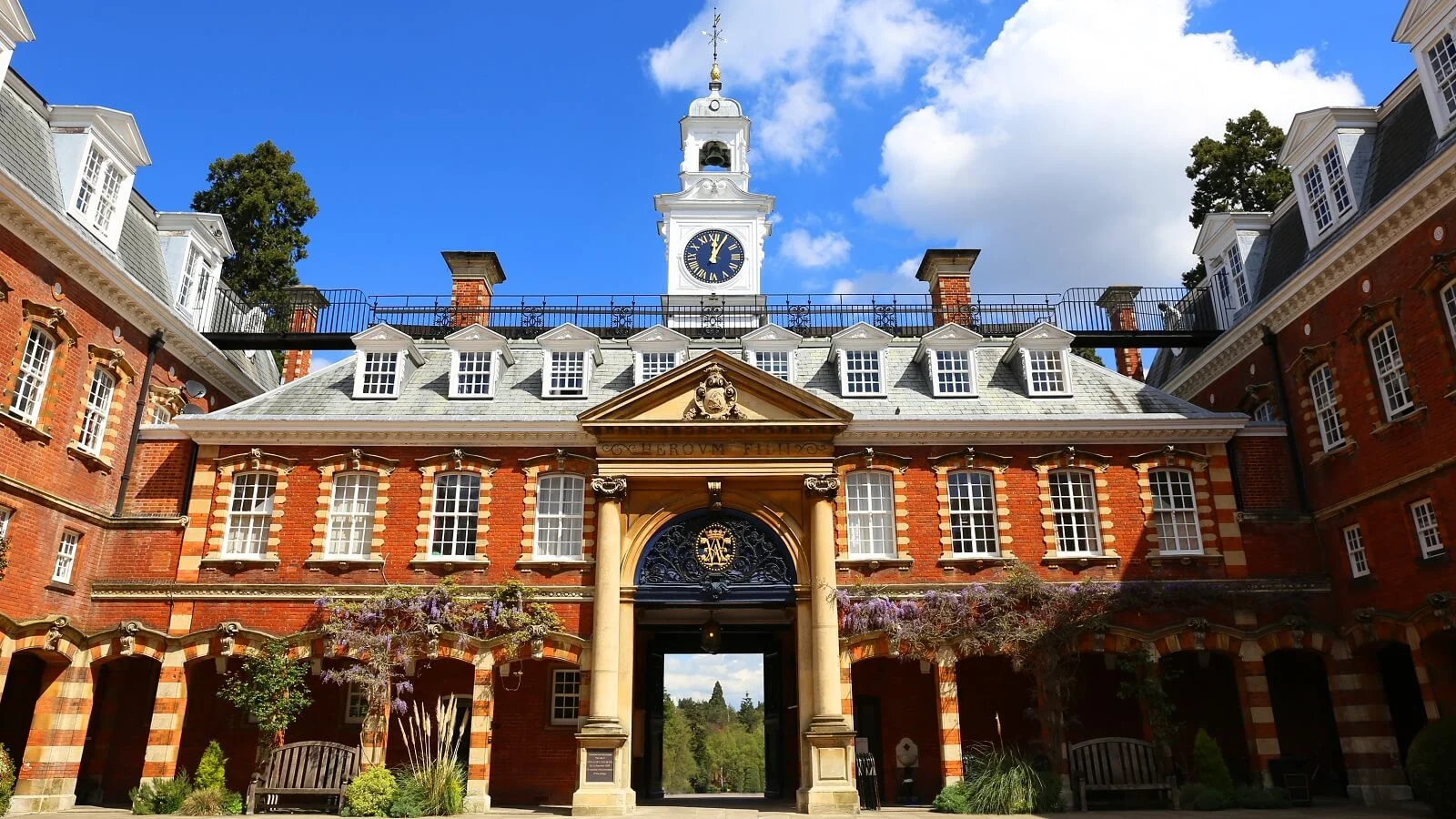
Last week, Team CoachBright headed down to the annual Festival of Education and Festival of Skills this year hosted at Wellington College.
The festival provides a welcome opportunity for education practitioners to improve and reflect on their craft.
Here are some overviews of the fantastic sessions we attended:

Glenn Whitman, Are you a Neuroteacher... Yet? (@gwhitmancttl)
Glenn is a Director at the Centre for Transformative Learning and Teaching and a History teacher at St Andrew’s Episcocpal school in the United States.
During the session, he spoke about the journey St Andrew’s has been on in improving professional development in Mind, Brain and Education science.
This journey has enabled St Andrew’s to translate research from the likes of Rob Coe, Carol Dweck, Daniel Willingham and many more into clear everyday classroom practice.
He cited learning about brain plasticity, growth mindset, emotion and cognition as vital because it only helps you develop as a practitioner.
He spoke of the need to avoid labels when describing pupils. ‘Intelligent’, ‘distracted’, ‘lazy’, ‘bored’ all have connotations and implications for the learner.
To find out more, here is a link to the Centre for Transformative Teaching and Learning.

Amjad Ali and Allana Gay, Diversity Panel (@BAMEed)
#BAMEed exists to ensure visible diversity in education. They create networks for support, challenge and advice.
Allana and Amjad beautifully kickstarted the session by sitting in two seats out of four at opposite ends to highlight the lack of representation on panels from ethnic minorities.
They explained the current workforce context: there is a 18% gender pay gap and the unemployment rate for BAME graduates is 5.9% compared to 2.3% from their white counterparts.
In a school context: only 8.5% of Secondary School Headteachers and 6.2% of Primary School Headteachers come from non White British contexts.
While there is clearly a glass ceiling they also highlighted a glass cliff in with BAME educators having to take on leadership roles in more risky and underperforming schools to ‘prove themselves’.
To support #BAMEed, learn more at https://bameednetwork.com

Amjad Ali, Engaging and Inspiring Teachers (@ASTsupportAAli)
- Amjad is a teacher and founder of BAMEed
He spoke about how intelligence, reflection and confidence are all key to being a great teacher
He challenged the idea of “engaging”, which he says has become confused with “entertainment”: how “engagement” can simply be a teacher standing at the front, talking passionately about ideas that you could not get from a textbook.
He reflected on his own favourite teacher and what made that teacher great, concluding that it was because he made each and every child feel personally cared about and valued.
See more in his Ted Talk here!
Check out his amazing free online resource: trythisteaching.com

Seyi Akiwowo, Equipping students with soft skills through participatory and experiential learning (@seyiakiwowo)
- Seyi drew on her experiences running group workshops with young people in communities across the world and shared with us some great activities designed to facilitate soft skill and character strength acquisition.
Participating ourselves in two simple activities, we could see the benefits of such group tasks and the valuable learnings that came out afterwards. Seyi shared some questions and prompts she uses to make the self-reflection rich and insightful for the teenagers that she works with.
She demonstrated that experiential learning can be an effective means of teaching and we can’t wait to incorporate some of the activities into our workshops going forward.
Find out more about character strengths and soft skills here!
Robin Chu, Preparing disadvantaged students to be independent and resilient learners (@RobinChu1)
Our Founder and CEO Robin presented our coaching toolbox.
He highlighted research from Warwick University Professor Claire Crawford around university drop out rates. Those from the highest socio-economic quintile group are 5.5 percentage points more likely to complete their degree than those from the lowest socio-economic quintile group even with similar grades.
Crawford posed the question of ‘Do young people from richer backgrounds have better non-cognitive skills e.g. resilience, motivation and independent study skills?
During the session, we honed, as practitioners, one of our most important roles was to show high levels of emotional intelligence - showing we care, can listen and appreciate our pupils.
Practical tips included noticing the stage of listening we are and the effects that has on our pupils:
Interrupting, Hijacking, Advising (non coach styles of listening)
Attentive and Active Listening (coaching styles)
The crowd went through an impromptu coaching session with their partners using the GROW model and practised active listening.
For slides to the presentation click here or if you are interested in an academic coaching programme for your pupils or coach training for your teachers drop us an email on robin@coachbright.org.

Peg Dawson, Executive Functions: the Science
- Peg Dawson shared findings from her body of research on executive functions (EF); what these are and when they develop in childhood.
EF's refer to the skills that we all need to plan, organise and execute actions, which are controlled by an area of the brain called the frontal lobe.
Most interesting for us was the discrepancy between when these abilities mature in the brain, and when we expect children or teenagers to possess them.
One EF discussed was ‘goal-directed persistence’, meaning the capacity to have a goal, follow through to the completion of the goal and not be put off or distracted by competing interests. Brain scans show how this skill is not fully developed until early 20s, sometimes later!
Peg shifts the explanation for underachievement from failing within the child to a skill deficit.
To find out more, take a look at ‘Smart But Scattered’.
Victoria Bagnall, Executive functions in the Classroom (@Conninmind)
This session applied Dawson's work to the classroom and discussed how targeting specific executive function deficits in children and adolescents can extremely beneficial.
Victoria demonstrated how executive skills (for instance planning/prioritisation, organisation, and working memory), are embedded in mark schemes and assessment criteria, but these skills are rarely formally taught in schools. Discussed the idea of the ‘hidden curriculum’.
Connections in Mind aim to inform parents and train teachers to spot children who are struggling with these skills and spend time working on them.
Find out more about how they are doing this here: http://www.connectionsinmind.co.uk/
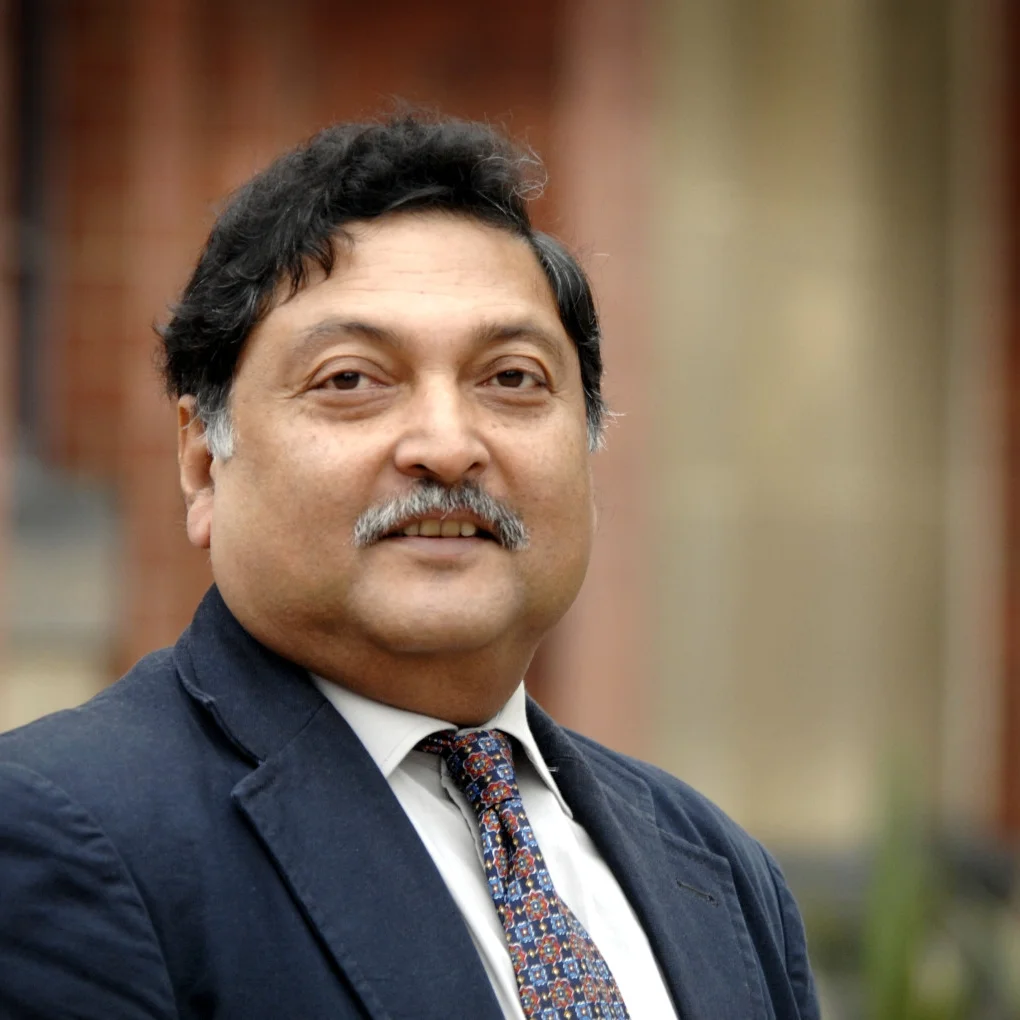
Sugata Mitra, The Future of Learning (@Sugatam)
Sugata Mitra is a Theoretical Physicist and Professor of Educational Technology at the School of Education, Communication and Languages Sciences at Newcastle University.
He began by introducing his famous Hole in the Wall experiment, which began when he installed a computer in a wall for children to access for free in a slum in Delhi, India. His findings were revolutionary: that “Groups of Children, using the Internet, can learn anything, by themselves”.
He describes the phenomenon he saw at the Hole in the Wall as a “Self Organised Learning Environment” or “SOLE”. He has since been replicating the Hole in the Wall across the world, including in classrooms in the UK, finding again that primary-aged children are able to find answers to questions well above their age, by using the internet in groups.
He observed that one of the reasons that this is possible is that the Internet does not know the user’s age, so it does not cap or modify the information it gives.
He finished with an observation about exams, which he described as “the opposite of a SOLE”. He quoted a Year 11 boy who asked, “why are exams the one day of my life when I can’t use my smartphone?”
In his brilliant TedxNewcastle talk, he explores the question of whether exams are really preparing children for the modern workplace further: take a look here!
Join our Team, we are recruiting! Programme Officer vacancies in Exeter and London.
11th July deadline! We are looking for staff members to join our small and dynamic team! Want to help shape a ambitious award-winning social enterprise? Join us!
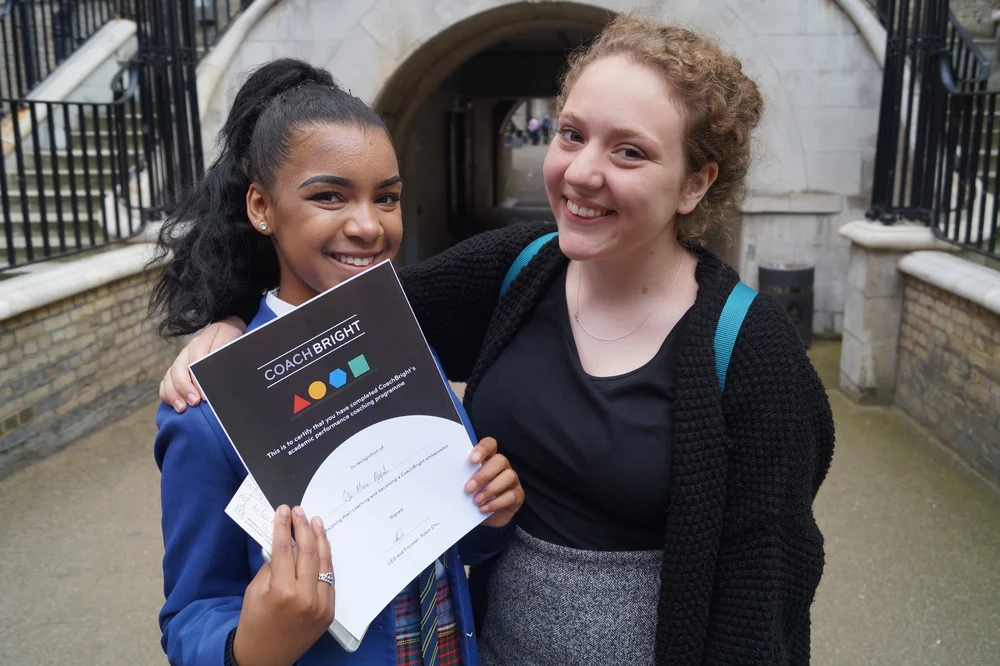
CoachBright is a fast growing social enterprise on a mission to support pupils from low-income families to become independent and resilient learners so they can lead the lives they want. We believe your background should not determine your future. Our coaching programmes improve a pupil’s grades, confidence and expectations so they can win places at top universities.
We’re at an exciting stage of growth as we enter year four. After working with schools across London, Exeter, Birmingham and Oxford, we are expanding next academic year to work with over 500 pupils to play our part in tackling educational disadvantage.
We are looking for two rising stars to join our passionate team to help drive our coaching programmes forward. The Programme Officer will manage day-to-day school delivery in the South West or London and help in planning our future programme direction. This is an ‘in at the deep end’ role and s/he will flourish in a small dynamic team with real influence in decision making.
We are delighted you are interested in joining our team!
For the role description, person specification and benefits:
To apply, please email a CV and covering letter to robin@coachbright.org explicitly stating whether you are applying for Exeter or London in the subject line. Deadline for the London role is 11th July at 12pm.*
*EXETER ROLE ONLY: DEADLINE EXTENDED UNTIL 13TH JULY AT 12PM.
Looking forward to hearing from you!
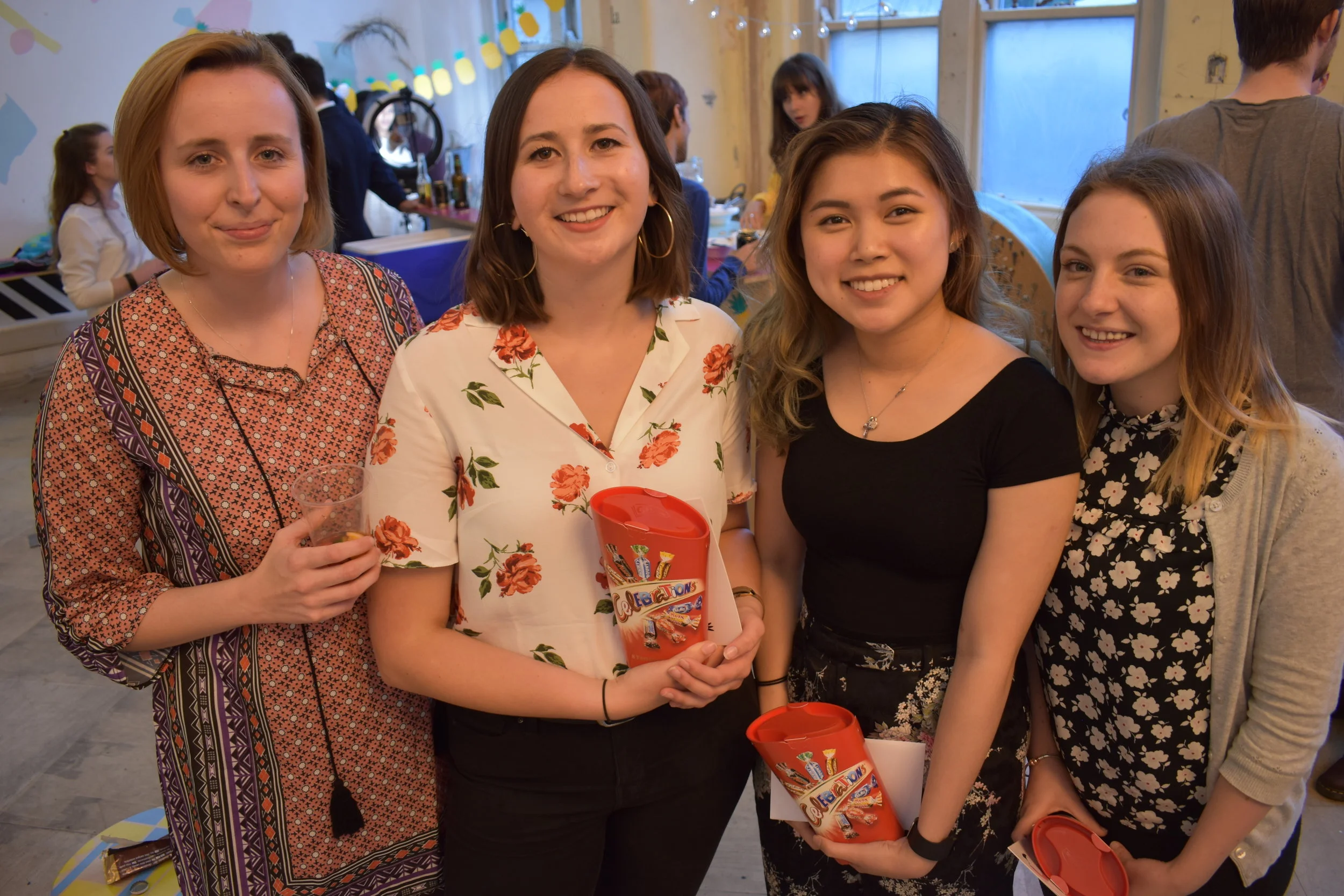
And The Winners Are...
As the UK General Election loomed on Wednesday evening, CoachBright came together to celebrate all that our pupils have achieved this year and to recognise the best Volunteer Coaches from our Spring Term programmes in London and Exeter! Each term there are 5 prestigious Coach Awards to be won. Below is a rundown of who the lucky 5 winners were....

As the UK General Election loomed on Wednesday evening, CoachBright came together to celebrate all that our pupils have achieved this year and to recognise the best Volunteer Coaches from our Spring Term programmes in London and Exeter! Each term there are 5 prestigious Coach Awards to be won. Below is a rundown of who the lucky 5 winners were....
The CoachBright Creativity Award

Winner - Ahsan Rashid
For Ahsan, it wasn't just about supporting a year 10 pupil with their GCSE Maths or English course. Last term he worked with a very under-confident individual who struggled particularly with making decisions and voicing opinions.
Over the course of the programme, Ahsan planned sessions that would build her confidence and improve her independent decision making skills. They talked through current decisions that she had to make and the coaching session provided her with space to explore what she really felt about things, rather than being led by the wishes of her teachers or family.
The creative activities that Ahsan used to help his coachee find her own voice are what made him a deserving winner of the CoachBright Creativity Award!
The CoachBright Extra Mile Award

Winner - Olwyn Munroe
For our Summer Party, our valuable team member Olwyn literally went the extra mile to attend, taking a coach up from Exeter to London and back again in order to come and celebrate with us. Olwyn has coached on two CoachBright programmes over the past year. Her lesson planning and attention to detail each time has been excellent, and has been reflected in the brilliant feedback from both of her coachees.
Thank you Olwyn for going the extra mile to make your coaching sessions an extremely high quality and for setting the bar on what academic coaching can achieve.
The CoachBright Commitment Award

Winner - Craig Tollerton
Craig is a PhD student at the University of Exeter. Over the past academic year he has coached on two CoachBright programmes. On both programmes he provided outstanding coaching, planning engaging and thoughtful sessions for his coachees.
In addition to this, Craig has also been a reserve coach for other programme, requiring him to step in and coach last-minute; run a Maths workshop for one of of Year 9 cohorts; and run several Physics taster workshops at our graduation events. Not only does Craig go the extra mile to help CoachBright, but he has an amazing ability to build rapport with pupils and to keep energy and team-spirit high.
The Best Coach Award

Winner - Victor Agrest
The ‘Best Coach’ Award is designed to recognise someone who combines all of the above; someone who is creative, who is committed to their coachee and the programme, and someone who will go the extra mile. After coaching in both our Autumn and Spring term programmes, at two different schools, Victor has significantly developed his coaching skills and is able to adapt to the needs of the individual coachee.
Being paired with two very different pupils over the course of the year, Victor spent time discovering the best approach to work with each of them.
With both coachees, building their confidence was a big part of it and he did this by creating activities that played to their strengths. This meant that the pupils enjoyed their sessions as well as finding them valuable academically. Victor also provided great feedback to the wider CoachBright team and often reflected on how the programme was going and what he could to improve the outcomes for his pupils.
The Best Coaching Team

Winner - St Luke’s School Team
St Luke's, lead by Head Coach Skylar Morgan, was this year's winner of the Best Team Award. The programme consisted of 19 Exeter University students doing 1-1 coaching with 19 Year 9 pupils. The programme had a particular emphasis on Maths. Each week, the Exeter University coaches would provide engaging and creative sessions, which gained regular praise from St Luke's senior staff. Furthermore, on analysing the data after the programme, St Luke's has found that the CoachBright pupil's attainment in Maths from before to after the programme has exceeded the progress of all the rest of the pupils in the year.
At their graduation event at Exeter University, a few of our St Luke's coachees recorded the lunchtime bulletin for the student radio station, Xpression FM! You can listen to their broadcast here.
After working with such a fantastic coach team this year, we can’t wait to see what the new academic year and a cohort of new coaches will bring! Come Christmas time we will be celebrating the best of our Autumn 2017 coaches so if you fancy seeing your name underneath one of these Coach Awards, jump over to our ‘Volunteer’ page and register your interest now!
Alternatively, email team@coachbright.org for a bit more info on the Coach role.
From Peer to Coach – how students can help fellow students achieve their goals
You may have heard about our coaching programme involving university students, but did you know we also have a peer coaching programme? Here, Peer Coach Gloria tells us what's it all about!

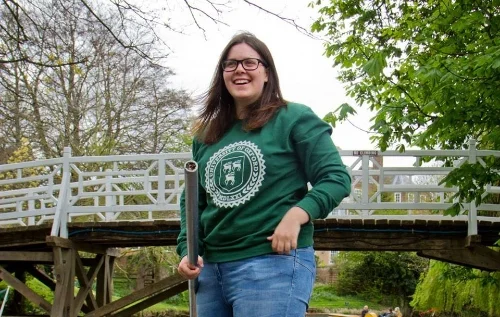
Gloria (in green) with coachees
By Gloria Nkuliza
My name is Gloria and I live in Lewisham in South East London. I am a Sixth Form student studying at Bacon’s College, having studied there in secondary school too. I’m interested in sports, science and music and aspire to become a Chemical Engineer after university.
What Peer Coaching is
Thankfully the opportunity came when CoachBright linked up my school with a new, exciting programme. This trained sixth formers to coach year 9 students and work with them for a few months to help them attain their academic goals. We would each aid our own student with one out of three major subjects; Maths, Science and English. Their aims would usually be to achieve a certain grade in upcoming tests or gain a solid understanding on a topic. Having a role model close to their age who could empathise with them, would be the motivation they needed to do better in their chosen subject. The team would then all come together to formally check that each student is making progress, coming up with ideas of how to develop literacy/numeracy, exam and essay techniques. As a group, we would support each other, along with the handy help of Robin and his experience in dealing with young people.
Why I wanted to be a Peer Coach
I was very passionate about becoming a peer coach as I knew that if I was younger, I would definitely have enjoyed and benefitted from having an older student to support me. I believe that this is a very encouraging programme, largely different from normal coaching or teaching as I could be an approachable and friendly role model to my chosen coachee. It is valuable for coachees to have somebody different to their peers or teachers who could provide them with a fresh perspective. I felt that I would be relatable enough for her to connect with and feel confident in sharing her academic and social struggles, knowing that I’d be very likely to understand having experienced similar situations and issues myself. Therefore, I also feel that more schools should have peer coaching programmes, as sixth formers would be able to give young students the appropriate help that would benefit them.
Channelling other coaches in my life
Having done my Mathematics GCSE early, I was blessed with having a maths teacher who encouraged me to push myself to my limits and aim high. He supported me with my achievements and instead of allowing me to settle, he inspired me to work hard, see a lot of potential in myself, and grow confidence in my ability. When I was in secondary school, I was very eager on keeping fit. I played a range of sports, so I had a couple of coaches support me. With sports, like other disciplines, you should be able to hold on to certain traits so that you can make progress and perform to the best of your abilities. For example, dedication, learning how to motivate yourself, and setting reachable goals are three of many. Therefore, I tried to inspire my own coachee to develop traits like these to ensure that she easily could achieve her goal and use these skills in the future to open new opportunities for herself. I believe that an effective coach is one that has the patience and resilience to be there to support their coachee no matter how long you may have to explain something to them or how difficult they may act towards you. I think it is important to create a relationship between you and the coachee, where you can be open and honest with each other and express any worries or concerns that may hinder the coachee’s success. Furthermore, I feel that it is vital for the coach to be enthusiastic when the coachee makes progress toward their goal, but also continue inspiring them to aim higher and see no limit to their potential success.
Lessons learnt
Becoming a peer coach, I’ve had a great opportunity to develop my teaching skills by learning how to explain topics in fresh understandable ways to my coachee. Through developing a friendly relationship with her over several months, I could comprehend the style of teaching that best suited her and work with that. Surprisingly, by assisting my coachee with revision techniques and routines, it also gave me the incentive to do the same for myself, subsequently causing us to grow together into better students. This allowed me to acknowledge that peer coaching is mutually beneficial and, as we worked together, we could bounce ideas off one another.
Feedback from my coachee
“When I was first told that I would be coached by a sixth former, I thought I’d have the same experience with them as I have had with my teachers, which I sometimes feel is very boring. However, Gloria and I have so much fun and developed a friendly bond between each other. I was always excited to go to her after school because I knew I was going to learn more about the subject that I have difficulties understanding but in a fun and interesting way. We would always start off by telling each other how our day was like and if I had problems with anything Gloria would help me solve it. She was not only there to help me with Science but she was also there to help me with my social life. I’m very glad I had a coach like Gloria and I think anyone would be happy having her as their coach. The whole CoachBright programme left me interested in having my own coachee to help them with whatever they find difficult and to be a friend they could count on.”


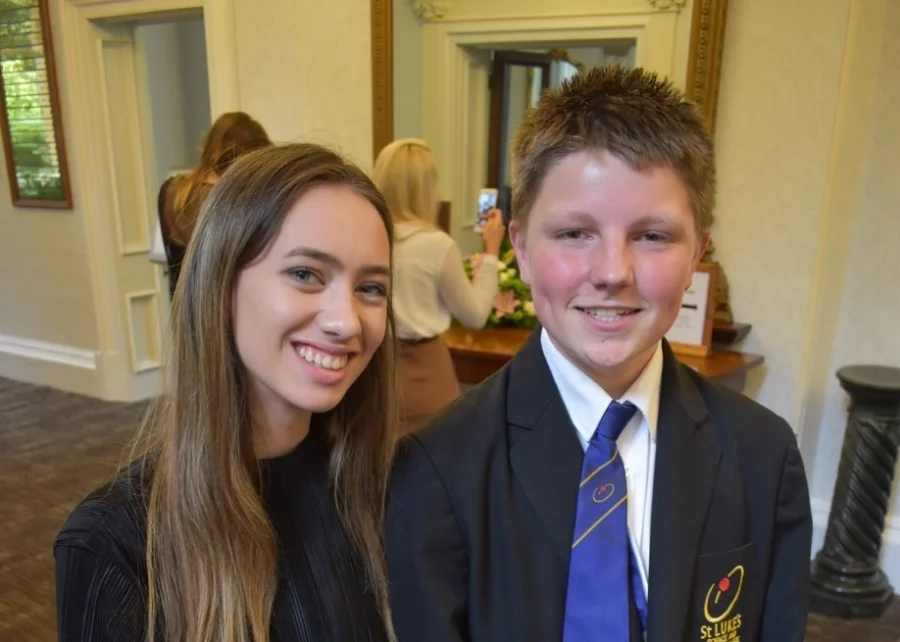

Coachee Catch-up with Jake !
In the second of our Coachee Catch-up series, we caught up with Jake. He shares with us his university experience and some advice for prospective university students. Give the interview a read!
"Being at uni has given me a bigger sense of family " - Jake
By Aliya Nabil with Jake Nichol
Hey Jake! Thank you so much for agreeing to do this for us! Can you tell us a little bit about yourself before we go into the other questions?
Hi everyone, my name is Jake Nichol! I finally finished A-Levels last year and left the London Nautical School after 7 years, which started off terribly but ended amazingly. I'm currently at the University of Bedfordshire studying Sports Journalism as if you haven't guessed already, I will be a sports journalist.
Tell us a bit about sports journalism as a course. How did you find out about it and why did you decide to take this course?
I always knew I wanted to be a journalist. Seeing as I am obsessed with motorsport - watching it not necessarily playing it - I decided that a sports journalism course was for me.
During our free lessons in Sixth Form we were told to be productive and so I started to look at potential courses and universities around the mid-point of Year 12. On the UCAS website, the University of Bedfordshire was the one that always kept popping out to me and when I went for the open day, it just felt right.
The lecturers, their knowledge, the location of the university and just my gut feeling told me that this was the course and university for me -that's why I ended up here.
How are you finding university life, is it comparable to school in any way?
Uni life isn't comparable to school life in any way for me personally. It doesn't matter if you miss a lecture as the notes will always be put online. I can actually get hold of who I need and I'm actually studying what I want – no irrelevant subjects on top !
Making new friends was always a problem for me, but since I've been at uni and been on a couple of nights out, I've really settled in. Also, discovering that the magic cleaning up fairy doesn't actually exist has made me a lot more conscious and aware of how to tidy my room, both at home and at uni!
What makes the university experience unique?
Obviously being away from home and having to cook, clean and do your washing makes uni something most of us have little experience of. The ‘on the fly’ nature to it as well makes uni just special in its own way.
Like in January, I went to Toys R Us and bought a £65 Nerf gun, just because I could.
You can just be you. At school, you are steered towards this or that. At uni you join what clubs you want and if it isn't for you, you can just say no, rather than having someone try and sell it to you.
If there is something you could tell your past self (pre-university) what would it be?
Chill out. I was a worrier and so uptight pre-uni, even as I was packing to leave home. After 2-3 weeks, I finally relaxed and settled in. I have had the time of my life. It really is amazing!
You were part of the Advocacy Academy and had coaching, has that influenced you in any way?
Coaching has definitely helped me to think out of the box. I was always an in-the-box thinker. Adam (my coach) discussed some fresh thinking tips with me and allowed me to see things from the other person's view. Once I had decided I was going to uni, it was good to have someone who wasn't family or a teacher give me uni advice, whom I knew would say the truth and be brutally honest.
What do you think makes a good coach, would you ever consider being one?
A good coach must want to make a difference. They must want to do it for someone else. With Adam, he listened to what the problem was, what I was thinking of doing about it, and then gave advice which was relevant to my actual situation - not one that he may have had a similar experience of doing in the past. You must be able to listen and not go off on a tangent when talking.
If I have the time, being a coach would be something I would like to do. The journey I went on with Adam from the uptight quiet guy to speaking to Year 7 and Year 8 about my mental health issues was fun. I knew that I wanted to share my story with more people, but didn't know how. Then we came up with the idea of having assemblies with them, explaining what I went through and how they could avoid it. A Year 7 student was feeling isolated and lonely, and I made it my personal mission to get him comfortable around his peers. That gave me even more satisfaction than doing the assemblies.
I'd like to help someone else have that journey of believing in themselves and doing what is right, not just for them, but for others.
If you could tell every person in the world one thing (the same thing), what would it be?
Chill out. The best thing I learnt to do was not to worry/care too much. My life has become 1000% times better.
What are your plans for the near or even distant future?
After I finish uni for the year in May, on my hit-list is to get round to doing my driving test, get a job for the summer and continue with my Motorsport stuff. I've got some exciting things ahead with it, and can't wait to do them!


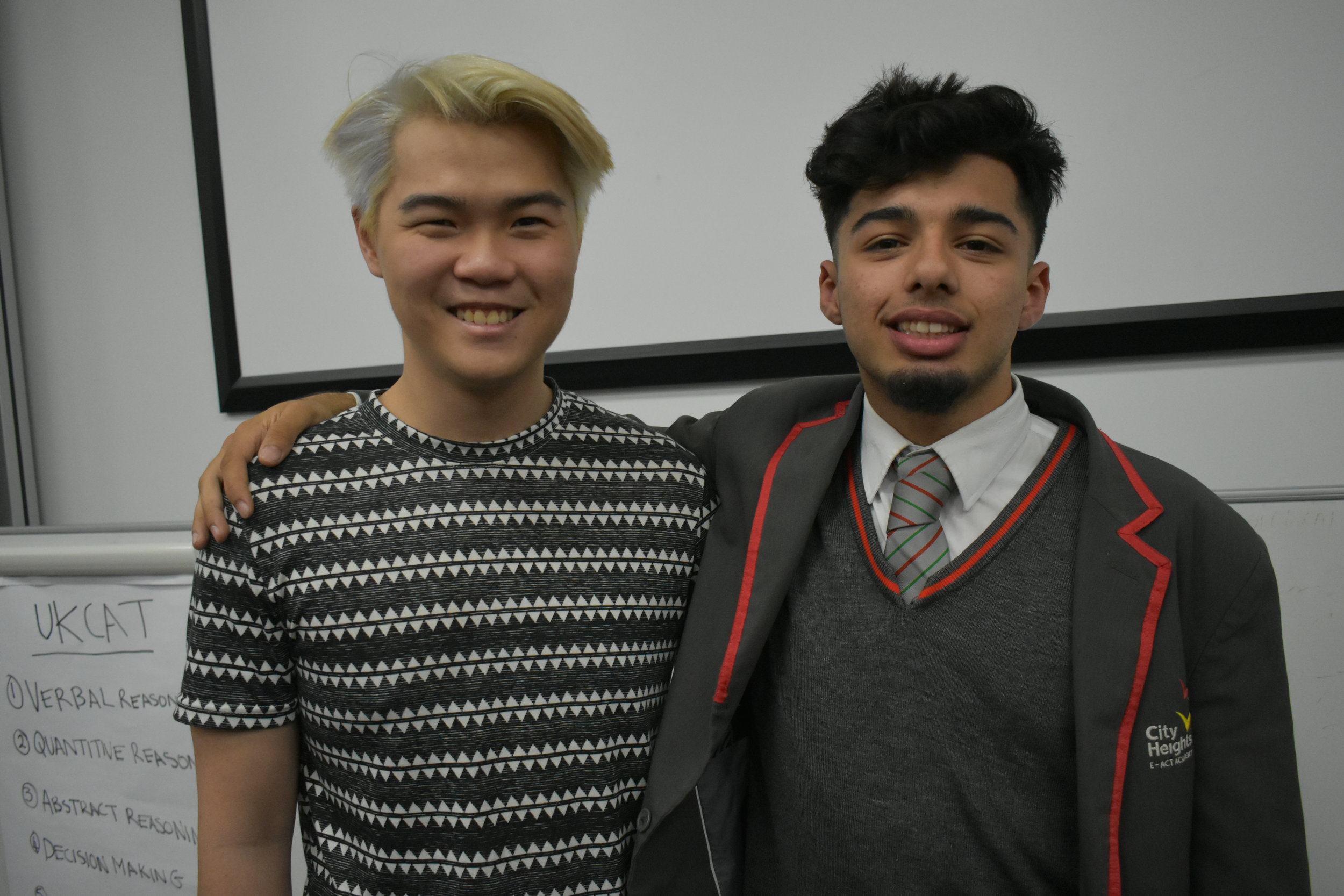


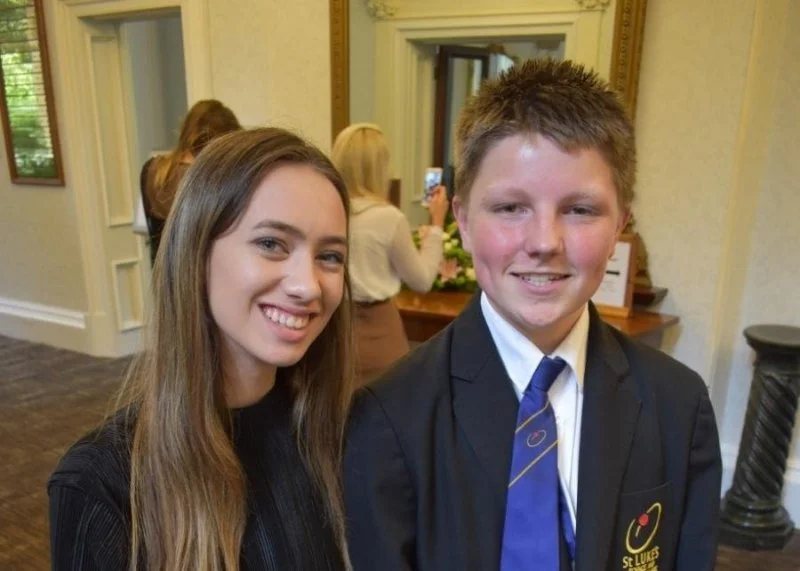


We're setting up a society : Join us !
If just being a coach wasn't enough, then we have fantastic news for you! We're setting up a society based in London (and other places too), and as they say - the more the merrier! Read below for the details.

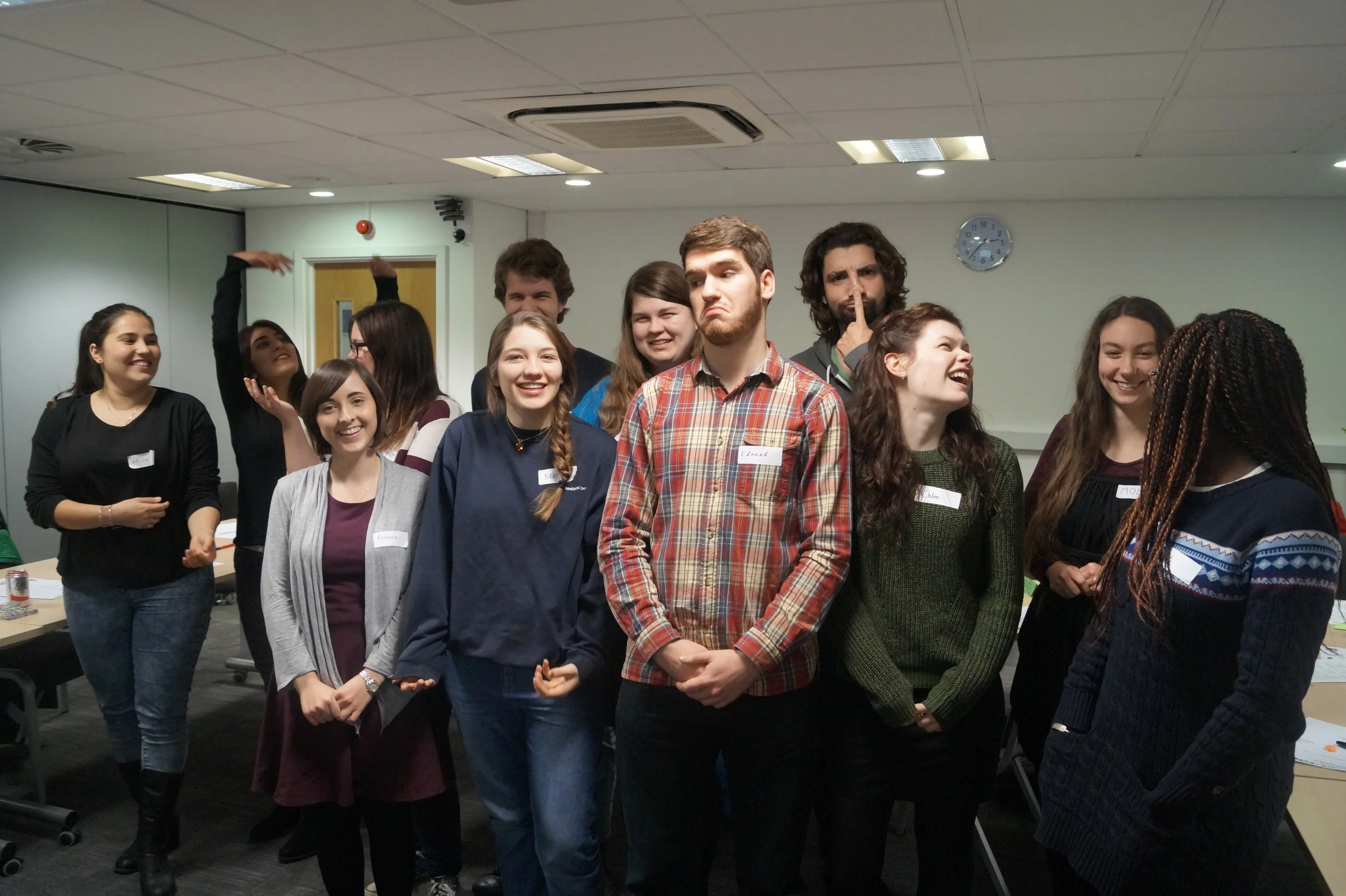
Evidently, we're a fun bunch.
By Nicole Ooi
Hey there! I'm Nicole, the (future) President of London CoachBright Society.
CoachBright is something that I have become quite passionate about since signing up to be a coach about a year ago. Since then, I have coached twice, been a Head Coach twice and am now trying to start the London CoachBright Society!
I guess the rationale behind creating the society was quite simple — we wanted to give us as students a community, allowing us to make friends and support each other. We also thought it would be cool to play a bigger role in decision making, instead of just showing up for training and sessions. Although we will still have support from CoachbBight in terms of training and pairings with schools, the society will be completely student-led!
London CoachBright Society is going to be an overarching society that is not linked to any particular university. We are hoping that our members will take the initiative to start CoachBright societies within their own universities (I’m also starting the UCL society if anyone is interested in being on that committee!). As coaches, you will automatically become a member of the London CoachBright Society, and it is up to you to figure out the membership for your university's society (if your uni has one!)
We are hoping to be completely set up by the end of the summer, meaning that in the 2017/18 academic year you can expect many more socials, regularly updated social media pages and support meetings. Everything the committee is doing right now is in the hopes that we will be able to create a community of coaches who are able to support and motivate each other throughout the year! We also hope that this will create stronger bonds and a more friendly environment at the schools you will be coaching at!
If you are interested in being a part of the committee, we still have a few roles available! The role that we really need filled is Social Secretary, but if you are interested in other roles, we can hold an AGM in September to vote. You can sign up on the google form below and I will get back to you ASAP! The form also has short descriptions of the job scopes of each role.
https://goo.gl/forms/2glFuJV3yHg6ESFk2
If you are interested in just being a member of the society, keep your eyes peeled for future emails about membership (and possibly society t-shirts!!)
*P.S Don't fret if you're not based in London, a society in Exeter is also in the process of being set up! For more info contact Head Coach Becca at rebeccalucyhart@gmail.com
Coachee Catch-up with Costa!
We caught up with one of our former coachees; Costa , who is now at university! As a self-proclaimed 'child of outreach programmes', he shares with us what such programmes provide down the road.
Costa with his flatmates and neighbours after a Secret Santa Exchange !
By Aliya Nabil with Constantino Christou
Here, we catch-up with some of our former coachees to see how they are doing at university. Our first interviewee is Costa, a former coachee and graduate from the Advocacy Academy. Read the interview session below to find out more!
Can you tell us a little about yourself?
My name is Constantino ('Costa') and I am from Croydon in South London. I used to study at Bishop Thomas Grant school in Lambeth (where I spent 7 years) and am now studying for a BSc in Politics and International Relations at the University of Exeter in Devon.
How has university life been for you so far?
So far university life has been everything I wanted it to be; I enjoy my course, the facilities are great, I love the town and I've met some great people. The sense of freedom and independence, though daunting, has been invaluable to my personal development.
If you could give a heads-up to prospective university students out there, what would your advice be?
Any prospective student should place the course above all other aspects of the university. Although things like location, accommodation and reputation are important, it is vital that you enjoy/are interested in the course you are studying, because if you don't like the course, you won't enjoy it once the freshers fun is over in second and third year. Also, now is the time to explore and do things you wouldn't otherwise do, so make the most of the opportunities that present themselves. That being said, don't feel pressured into making bad decisions!
How did you find the transition from school to university?
The transition from school to university was fairly smooth, the only real draw is not having my friendship group there to support me at the toughest part - the first month or so. In sixth form we had a lot of hands-on support right in front of us, both academically and otherwise. At university, it is up to you to seek out the support that you need. So far I have found my lecturers and tutors very helpful and hands-on in addressing my concerns, and they make time for me like my A Level teachers did - the main difference being that I had to email beforehand to agree on a time.
My first term modules were introductory and so weren't too much of a departure from my A Level course content. In second term I am expected to do more independent research which is both taxing and highly enjoyable. Again, if you enjoy the subject you are studying and are passionate about it, the transition to university will be positive.
Obviously, you were on the Advocacy Academy and had coaching, how did you find it?
The Advocacy Academy was the best experience of my life so far - it taught me what it is to be a leader and it gave me an appreciation for my community that I didn't have before. Coaching came at a really important time in my life and it gave me the guidance and support I needed, when I really needed it.
Is there any advice that still resonates within you?
What both TAA and coaching taught me was the importance of seeing the bigger picture, which resonated with me greatly. I can now approach everyday scenarios, in addition to broader political and social issues, with a more informed perspective that many others do not have.
You were part of the CoachBright Advocacy programme before as a coachee, would you ever consider being a coach ? If yes, why?
CoachBright gave me an appreciation for making one-to-one time with the people I care about, be it friends or family. I apply this whenever I am in need of support from my loved ones and in turn I can provide that for them as well. A few years down the line perhaps, I would love to become a coach. As a self-proclaimed 'child of outreach programmes', I feel like I have a lot to offer to young people who are in the position I was a few years back. Not everyone is lucky enough to have role models and I think having a coach or mentor in some form is vital to one's personal development.
Lastly, do you have any plans for the future?
I have applied to a couple of internship programmes (with Unilever and the Civil Service) and am hoping to start a new blog in the spring, so I'm definitely keeping busy. Ideally, I would like to become a civil servant working in housing policy, but marketing is also an interest of mine so I am keeping a fairly open mind about it.


On Making A Difference
Aliya describes a pleasant surprise she discovered after almost a year since she coached at CoachBright. Curious? Give it a read!

By Aliya Nabil
As the blog editor, I regularly browse the website to see what the blog posts look like when they are online. I also look at how many likes they have – liking posts more than once – not to inflate the number of likes (doesn’t work anyway) but to entertain myself with the floating animated heart bubbles that float around (you can see them by liking this post).
Evidently, we all need some sort of gratification – whether it is receiving a quick thank you, or through virtual likes. We are human beings and we like to see the impacts of our efforts. But that isn’t always possible because change takes time.
However, the other day I was looking through the CoachBright website and found myself on the 'Impact' page. I’ve always found the impact that CoachBright has on student performance incredible but I had never seen the individual programme reviews before. I clicked on the programme review of the school I had previously coached at and scrolled down the document. BAM! There it was.
According to the report, the student I had previously coached had gone up a grade in the subject I had coached them in. Despite London actually being sunny and 17 degrees after a week of unpredictable snow and rain, the weather could not compete with this! This was truly the highlight of my week! Don’t get me wrong, seeing bits of progress throughout the seven sessions itself was a joy, but knowing that there was an eventual cumulative benefit was just the icing on the cake!
I’d like to acknowledge that obviously this achievement was not a result of my sole effort and must be attributed to the hard work of the student (shout-out to Eunice!). This is a testament to the learning strategies that the coachees themselves come up with, and implement, with the encouragement of their coach.
From my experience, the approach that CoachBright takes - which encourages a growth mindset and independently motivated decisions –is sustainable and empowering. I have tried using it in other settings (such as a university peer mentor group) and I think it is such an effective method to maximise people’s potentials.
At the end of the day, I think it’s important for coaches not only to help their coachees believe in themselves, but for them to believe that they are truly creating change. As I had found out, coaches are making a real difference!
This post is a shout-out to all the wonderful coaches who sacrifice their time and energy to help make education fairer! Know that everything you do has an impact!
Improving Academic Outcomes through Relatable Leadership
Inspired by Obama, Robin has written about CoachBright's efforts to make education fairer. Check it out below!

By Robin Chu, founder of CoachBright
Barack Obama in his farewell address described his daughters’ generation as “unselfish, altruistic and creative – they’ll soon outnumber any of us, and I believe as a result the future is in good hands.” True to form, the 44th President painted a picture of optimism of what lies ahead and a roadmap for us to follow.
Working with pupils everyday I knew his truths to be self-evident. However, five weeks later, I was brought down to Earth. A Press Association analysis of UCAS data concluded that disadvantaged pupils are four times less likely to apply for university than their better off peers. Unsurprisingly, only 5% of pupils who receive free schools meals go on to a highly-selective university. Still, in 2017, we can do more for these pupils.
Destinations matter.
To this day, universities are still the main gatekeepers to top decision making professions including journalism, law and finance.
Leading HE figures like Nicola Dandrige, the Chief Executive of Universities UK, believes that universities need to become "anchor institutions within their local communities to promote economic, social and cultural regeneration".
At CoachBright, we definitely agree. Growing up as a second-generation immigrant, my brother and I were the first in our family to go to university. Listening now to our pupils and partner teachers, the barriers our coachees from disadvantaged backgrounds face in applying to higher education directly resonates. Issues around having little cultural knowledge of the institution, hesitation towards the unknown and low work ethic.
We believe part of the answer lies in the lifeblood of universities – its students. Like Obama shows, if you have committed, socially conscious young people who are creative and unselfish a few years ahead in their journey, why not use them right?
Our challenging 1-1 university coaching programme delivered by relatable role models focuses on three outcomes so that pupils (at least 40% of our cohorts on FSM) challenge for top universities:
- Grade: specific support around a subject the pupil is struggling with.
- Confidence: cultural and social support from a relatable peer building confidence toward university.
- Expectations: objectively understand what it takes day-to-day to perform well academically.
Seeing pupils we’ve worked with succeed and go on to universities including Exeter, Newcastle, Surrey and Essex is why we exist.
We know these institutions can pave the way for a life-changing experience and bring forward the diverse, bright future we all want.
Here are some of our students and staff reflections on how they found us:
- “I concentrate more and I'm not scared to challenge myself. Doing the CoachBright programme has improved my marks and put me in a more confident mindframe.” Chloe (Year 10 pupil from West Exe Academy)
- “It’s been a joy volunteering for CoachBright! Over time I learned that coaching is as much being a leader as it is being their friend, and our relationship enabled us to have a successful term together. Without a doubt my favourite part about CoachBright was seeing Anfal every Tuesday to support him get what he wants!” Alex (UCL Student)
- “We have been very impressed with CoachBright – they are highly self-directed and need little “managing”. I can highly recommend them to any school looking for a high impact intervention to boost the performance of students who may lack confidence or who may need help in developing focused aspiration building.” Chris Mallaband (Principal at Bacon’s College)
Originally posted on Ambition School Leadership's Learning Lounge.

Coach Opinions : Do Grammar Schools Improve Social Mobility?
Our coach Danni gives her view on grammar schools. Good? Bad? Find out below!
By Danni Christie
The PM’s decision to expand grammar schools in the UK is based on the idea that grammar schools help to improve social mobility. This is an important issue, with research showing that A level students eligible for benefits are half as likely as their peers to attend Russell Group universities.
As an economics student, whilst studying the UK economy I have been made aware that the UK does not provide the same opportunity for social mobility as some of its neighbouring countries. If grammar schools are so called ‘beacons of excellence’ combating this problem, then surely Britain, the pioneer of grammar schools, should have seen better results?
It’s true that with grammar schools, talented students whose families cannot afford to send them to independent schools have a chance to flourish and are given opportunities to develop amongst other pupils with a similar academic ability, minimising the gap between them and privately educated students. It’s also true that this discourages some parents from sending their children to private schools in their senior years, in favour of grammars. Therefore, in this way, the gap between the upper class and the average student is lessened.
However, this is no good for those in the lowest income sectors! They are still at a disadvantage due to not being able to afford as much private tuition for the 11+ exam, and perhaps also seeing a fall in the quality of education at local comprehensive schools, who by default, are forced to try and accommodate students who are at a slight academic disadvantage.
It must be acknowledged that when you rank children by their ability, and separate them into different institutions whilst doing so, there will undoubtedly be a growing social divide between them. On the other hand, studies have shown that there are pre-existing differences between standards of comprehensive schools across the country. This is largely dependent on local house prices, so to a degree, discrimination of education according to wealth already exists and it could be argued that grammar schools do not change anything at all.
Let’s compare the UK grammar school system to that of others around the world. In Shanghai, China, they have a minimum education level that they expect all students to achieve. To ensure this, they put their best teachers in the worst schools, so that everybody gets a fairer shot at reaching the same threshold.
Overall, it seems like any advantage given to those attending grammar schools is balanced out by the disadvantage for those who are unable to attend, so they do not really improve social mobility. Personally, I am in favour of an alternative system such as the one currently in place in Shanghai. As this does not seem to be on the government’s agenda any time soon, I suppose grammar schools are the next best alternative, as they do provide an academic environment for talented middle/lower class students to thrive in, and an opportunity they may not have had otherwise.
*This article is the personal opinion of the author and does not represent any official views of CoachBright
Stories From Our Coachees : Cisne (Year 12 at Stoke Newington School)
Our former coachee Cisne shares her journey with CoachBright. Read the article below to find out how CoachBright impacts individual students.

By Cisne Mclellan - Hayes
You could say that I became involved in CoachBright by accident - one of my teachers happened to be coordinating the programme in our sixth form, and there was a free space available. I wasn’t sure if I wanted to get involved but I decided to go to the launching session and find out more. There I met Robin and my future coach, Katie.
I was coached on AS Philosophy. My Philosophy teacher offered me the opportunity to take part in the programme after I’d mentioned that I’d been struggling with the subject. Katie had gone on to study it at King’s College London so I trusted her to point me in the right direction. I met with her every Monday at 9am. Being me, I struggled to get up each morning and arrive on time, but I’m glad I made the effort, as previously, I’d really struggled to revise. As I didn’t understand Philosophy, I didn’t have the motivation to spend extra time on the subject. My mind would wander and I’d be distracted by other things. As someone with a very short attention span, there’s always something which seems more interesting or important than revising. Instead, I find myself bingeing on books, box sets or chocolate. However, putting an extra hour a week into going over what I’d learnt in lesson time really boosted my confidence. I was surprised by the difference it made! I could now answer questions in class and felt less stressed about the final exam.
It helped massively to have someone support me go over the content so I didn’t forget it. It was also very helpful to be given one-to-one support, as I no longer felt it was impeding the progress of the rest of my class. Katie was really patient and gave me lots of good revision tips. Previously, I hadn’t really been entirely sure where to start in regards to revising. I’d tried making posters, flashcards and spider diagrams but I had no idea what worked. She was also able to answer a lot of the questions I had about university. I didn’t know what kind of course I wanted to take. With Katie, I looked at many different websites which compared universities and listed all the subjects I could study.
CoachBright continued helping me after I finished my sessions with Katie, offering me advice about applying to university and also giving me two weeks of work experience to improve my application. I started working at their office space a month or so after finishing my exams - researching schools, emailing coaches and designing information packs.
I would, of course recommend the programme to other students, not least of all because the programme concludes with a free Domino's pizza! I underestimated how much of a difference a session a week could make. Sometimes it can be helpful just to go over something in brief to be reminded. If the opportunity presents itself, definitely do it and make the most of it!!
Guest interview : Tom West co-director of CornerStone Tuition
We caught up with Tom from CornerStone tuition who tutor disadvantaged pupils to achieve their best! Check them out.

By Aliya Nabil with Tom West
CoachBright values different insights and efforts to help make education fairer. CornerStone Tuition, like CoachBright aims to increase access to education for all. We are happy to have Tom West, the co-director of CornerStone Tuition to share some of his experiences with us. Want to find out more? Read our Q&A session below!
What does CornerStone Tuition do and why was it set up?
We provide free one-to-one tuition to students from disadvantaged backgrounds. We set up in 2015 after my long-time school friend and co-founder Sam spent his year out as a private tutor. He became aware of how expensive it is, and students from disadvantaged backgrounds are unable to access it. These are often the students that need the most help. From Sam’s experience as a tutor, having one-to-one work even in a small amount can have a massive impact on grades. At the end of the day we want everyone to be able to achieve their personal goals in education and life, and we hope that our tutoring programmes can help inspire students to do this.
What makes it unique?
All our work is on a one-to-one basis and at the same time completely free – that’s free for the student and their school. We have a framework for our programmes, but we make sure that they are tailored to each school and what they are aiming to achieve. This allows us to work around and compliment their teaching methods and curriculum to maximise benefits to the students.
What makes a great volunteer tutor for you?
A great volunteer tutor for us is engaging, relaxed, motivated and committed. Being easily approachable, open and easy to engage with makes an effective tutor – as well as some knowledge of the subject!
Have you faced any difficulties setting up CornerStone Tuition? If yes, what were the obstacles and how did you overcome them?
Registering as a charity isn’t easy and takes a lot of time, but after that our main challenge has been getting the word out about what we do. We found ourselves in a bit of a ‘Catch 22’ scenario. To get credibility, we needed people to have faith in us. Getting people to have faith in you, however, is often reliant on the credibility you have. Securing our first programme and getting the GCSE results was key and has proved to us that our formula can help achieve some great progress and results.
Do you have any especially memorable moments while tutoring for Cornerstone that you would like to share?
We had one student who came to the UK two years ago and could not speak a word of English. He went on to achieve some great GCSE results which were a testament to how hard he worked since he came here. We only met him last March, but knowing his story, the results were incredible.
Lastly, if you could temporarily ignore the reality of today’s education landscape, what would your ideal world look like in terms of education?
An ideal world for me would be a world where all young people have the platform and the confidence to succeed and achieve what they are capable of. All young people having equal opportunity to accomplish what they want with their education, career and life is something I strongly believe in.
Results Day & Off To Uni: Steph's Story
Remember your A Level results day? Our coachee Steph re-lives hers, and tells us about her preparation for studying Law at York! (Congratulations, Steph!)

My name is Stephanie Cohen and I am 18 years old.
A Level results day is one of those things you can’t really avoid. Once you’ve done the exam and filled in those personal details on the exam paper, there is only one thing you can do: wait. The waiting game is all daunting, but also exciting. Exciting, because I knew I had finally finished the stressful and important exams, daunting because my performance was being judged the moment my summer began.
As results day neared, I tended to forget about it, but I sometimes tried to predict what might happen. This built up the good and bad possibilities, i.e. not fulfilling plan A, and thinking of a plan B. So, the pressure came when the countdown began. A week before results day (or as I called it ‘death day’), everyone was venting their emotions through social media, so I couldn’t really avoid the reality of how close the all-deciding was… As expected, my night’s sleep before ‘death day’ was non-existent, as everyone was checking UCAS for updates and underestimating their exam performance.
Fortunately, the day came. I had received an email from my firm university, I saw ‘Congratulations’, and without reading any more, I immediately jumped up and shouted ‘I got in!!’. Everyone at home was so happy and relieved, as this message meant I had met the conditions to study Law at York. Two hours passed, as I informed my friends and family of the exciting news, but I had forgotten the main reason why I got into my firm choice in the first place: my results! So, my sister and I quickly rushed into my sixth form college to collect the valuable envelope. I opened them, smiled and felt proud.
Now, appreciating the fact that I am actually going to university this September has produced excitement, but also another cause for stress – preparing for university accommodation! My sister (who is also going to university this year) and I have compiled a list of university essentials to ease the stress of preparation. So, as the weeks of university enrolment and Freshers’ approach, we have bought pots, pans, blankets, pillows, clothes etc. to move into our academic location. Obviously, university doesn’t come cheap, so I have looked for a series of ways to get past some of the costs, for example applying for a student account, which can help take off some expenses for travel and other necessary aspects involved.
Our university journey continues, with much tension, but obvious eagerness.
Stories from our coaches: Asta
Find out what its like for the coaches. Asta tells the story of her year with CoachBright.

By Asta Diabate, Oxford University Coach
My journey as a coach started with an email, “we are looking for mentors to become coaches”. Fast forward a few weeks and here I was sitting in a room full of other university students that I had never met, being trained by Robin and Hazel.
I didn’t know anything about coaching before I set foot in the Oxford University offices for training. I’d heard about “life coaching” but had no clue what it was. After two training sessions, I’d learnt how to listen and how to motivate students . But I also realised how CoachBright was helping students gain confidence and improve their academic capability.
After all this, I was still terrified I’d do everything wrong and my pupils would find the sessions a waste of time. But it got better, and every new session was a chance to help someone. University tends to be all about ourselves. We go there to study, write essays or do problems sheets and to improve our career prospects. Coaching was my chance to put a few hours every few weeks towards something other than myself. To really listen to what my students were saying, ask them the right questions, and work out their future together.
I will always cherish the memories I’ve made during my time as a coach. Highlights include being told by Rebecca that she had improved massively and was on target for the goal of As and Bs we had set together; finding out about Beth and Rebecca’s future plans; and seeing them graduate from the program, thank me for my time and for believing in them. I will admit that I cried a little on that day. I’m proud of my pupils and they’ve worked hard. Come this August I know they will be able to achieve whatever they set their mind to.
This is why I am proud of being a CoachBright coach and doing my part, however small, to make two pupils believe in themselves.
We are recruiting! Programme Officer vacancy for a rising star.
We are looking for a team member to join our small and dynamic team! Want to help shape a ambitious award-winning social enterprise? Join us!

CoachBright is a fast growing social enterprise on a mission to support pupils from low-income families to become independent and resilient learners so they can lead the lives they want. We believe your background should not determine your future.
Our coaching programmes improve a pupil’s grades, confidence and expectations so they can win places at top universities. We’re at an exciting stage of growth as we enter year three. After working with schools across London and Exeter as well as Oxford University we are expanding next academic year to over 300 pupils playing our part in tackling educational disadvantage.
We are looking for a rising star to join our core team driving our coaching programmes forward. The Programme Officer will manage day-to-day school delivery in London and help in planning our future programme direction. This is an in at the deep end role and you will flourish in a small dynamic team with real influence in decision-making.
We are delighted you are interested in joining our team!
For the role description, person specification and benefits, please click on the link here.
To apply, please email a CV and covering letter to robin@coachbright.org. Deadline for applications is 18th July at 12pm.
Looking forward to hearing from you!
"Why I'm a CoachBright Coach": Meet one of our oxford volunteers
We've gone national! Working with Oxford university, we are co-delivering their widening particiaption programme for Year 11 pupils helping improve their chances of challenging for top universities. Jessica Keating, one of our coaches from Jesus College tells us why she joined...

In January, CoachBright will be launching our first ever programmes outside of London. One in Exeter at Isca Academy and the other in Oxfordshire partnering with Oxford University supporting 34 local pupils. In preparation, our coach Jessica Keating, a 2nd Year Oxford university student gives her perspective on why she joined us …
It began when an email pinged into my inbox calling for volunteers to work with local pupils. Six weeks on and I’m a fully trained CoachBright coach ready to meet my coachees, two Year 11 students, in January. Some of my family and friends, however, have been asking me what the point is and why I’m so willing to give up my time. Hopefully this blog post will provide some answers to my motivations particularly the role of widening participation, access to university, and CoachBright.
“ All I was thinking was that nobody in my family had been to university and I was very aware of this. My future was unknown, but at that point I didn’t think it would involve going to university and getting a degree.”
Jess enjoying Oxford Uni life
Let’s start by rewinding to 16-year old me. I was about halfway through Year 12 studying for my AS Levels and was sick of being invited to open days and listening to people talk about university. All I was thinking was that nobody in my family had been to university and I was very aware of this. My future was unknown, but at that point I didn’t think it would involve going to university and getting a degree.
My outlook changed rapidly when my Head of Sixth Form invited me for a chat and told me about a summer school at Oxford called UNIQ. I applied within hours of the deadline but it was Oxford, so what hope was there for someone like me? To my surprise, I did get a place on the Geography summer school and spent a week in Oxford in July. It totally changed my life, and I can say that now as I write this in Jesus College library. What changed for me was that I realised my potential and learnt what could be available to me if I had some more confidence. Though this won’t be the same for all pupils, what is crucial is having people around you who support and challenge you and accompany you along the way to becoming self-confident. This, to me, is what a CoachBright coach can bring to a student.
So there’s the story behind why I want to volunteer my time to help GCSE students. But why did I specifically want to become a CoachBright coach? CoachBright’s mission is coaching children to become independent and resilient learners. Personally, I want to be that new presence in a student’s life that helps them work towards their own goals and encourages self-development and self-confidence. It can be very difficult for students to feel valued in an education system that places them in large classes with very little one-on-one interaction. Being a coach works towards remedying this, and providing vital and focused sessions that allow the student to develop new skills.
“What is crucial is having people around you who support and challenge you and accompany you along the way to becoming self-confident. This, to me, is what a CoachBright coach can bring to a student.”
CoachBright, for me, ticks all the boxes that I think education access initiatives should have – it focuses on student improvement while creating a new dynamic outside of the education bubble. It generates a new ethos amongst its’ students that targets their self-confidence and willingness to accept responsibility for their learning. It keeps students as the major drivers in their progress with the ball being fully placed in their court. Equally, as a second year university student I’m still in a relatable position to a GSCE student – hopefully it will be easier for them to talk to me rather than someone in a position of authority, such as teachers.
Overall, it does what I think students need to think more about: it aims to increase participation in top level universities through a drive towards self-confidence and realising academic potential. Although I have yet to begin coaching, I am already excited for my future involvement with CoachBright and to meet my coachees in January.
Building Good Relationships - a commitment to honesty
Guest blogger Sarah Donachy, Head of Sixth Form at ARK Globe Academy one of our partner schools, talks us through how honesty, humour and challenging our pupils are key features of building a good relationship in school.

This week, we have a guest blog from Sarah Donachy, Head of Sixth Form at ARK Globe Academy, she talks about how to build that crucial rapport with students.
All good relationships – with ourselves, our loved ones and our colleagues – are built on honesty. Bad relationships are built on lies, deception and an unwillingness to see things as they are. Good relationships of all kinds go bad for this reason – maybe we protect ourselves with the lies, but they nonetheless spell the end.
Similarly, with young people a commitment to honesty is important, especially if they are from a challenging context. In practice this means calling them out when they don’t meet expectations – if they are late or don’t do something they agreed to, challenge them and reiterate the importance of being on time next time.
Only offer honest praise – praise is important, but young people can smell the desperation if you over do it.
Be specific – what did they do well and how? What is the consequence of their action and why will it benefit them in the near and middle future?
Don’t patronise young people by telling them they are amazing at every opportunity. They aren’t. They are 16/17 year olds, so they are lazy, selfish and sometimes rude. Occasionally they can be amazing, but if we overuse the term and pretend they are what they aren’t, we undermine the power of praise to stimulate change. They aren’t amazing simply because their lives are hard, they’re amazing if they rise to the challenge of overcoming that hardship.
Reliability is boring but an important practical issue. Working with young people effectively means doing what you say you will. Don’t be late, don’t forget things you promised, don’t over promise. If you absolutely have to cancel something, do it in good time and communicate it well.
Understanding is really important to a good relationship and this takes time, patience and some emotional intelligence. Listening carefully to the things that really get said – can they really ‘not be bothered,’ or were they actually a bit afraid to fail? Do they really not care or can you dial in to the hurt in their tone signalling that they actually care deeply?
For coaches and those who work pastorally with young people, listening is the single biggest skill. Hearing what is said beyond the words can take practice – don’t be afraid of silence during a conversation on a tough topic and let your young person talk. Usually, the real issue is lying somewhere underneath the bravado or insecurity so give them the time and space to get to it. The skills they learn from doing this – how to face themselves honestly and non-judgementally – will last a lifetime.
Real understanding requires self-awareness too. Most of us enjoyed learning – we were good at it and took satisfaction from exploring ideas, but our students might not enjoy the new found freedom of thought. Are you able to know when you are over identifying with a student who has similar issues to you? Are you a perfectionist who struggles to understand how anyone can ignore their homework for a week? Being aware of your bias is important as you find a way to understand a student – you need to get alongside them and see the world through their eyes, so what about you will hamper that?
If you want to build good relationships, read widely about the human mind. Certainly, some of what you read will be nonsense or will feel strange or unlikely, but every now and then you stumble on a bit of wisdom that helps makes sense of your own mind and sheds light on others too. I really like the line from the poem ‘Our Deepest Fear’:
“Our deepest fear is not that we are inadequate
Our deepest fear is that we are powerful beyond measure.” Marianne Williamson
Not least because it is from Coach Carter (classic) but also because it is truth expressed simply. Many of our young people struggle with the truth that they alone will be the source of change in their lives – they are afraid of the responsibility and the burden. What if they fail? Reading helps us learn about the mind and reflect deeply on the issues facing us – even if we never mention the material our relationships are the better for it.
Humour is an effective tool – making people laugh at a situation or at themselves is a good way to show them the problem in a non-threatening way, but not everyone is funny and sometimes funny people over do it and it becomes about them. Don’t feel a pressure to be funny if it’s not you.
What we really want to communicate is a sense of care – of love. It’s not fashionable to use the word love in this context outside of religion, but we want to communicate a care and a respect for the person we work with. We want to rejoice in their success and sit with them in their sadness. We want them to realise that they have immeasurable power waiting within them if they can summon the courage to use it. If that isn’t a kind of love then I’m not sure what is.
Sarah is Head of Sixth Form at one of our partner schools ARK Globe Academy, part of the leading academy chain ARK schools.
To follow Sarah on twitter (highly recommended!), go to @SarahDonachy.
Top tips for your Personal Statement
Our thoughts on the top do's and don'ts of personal statement writing for UCAS. Rule number one - Keep it simple!

By Robin Chu, founder of CoachBright
What matters most…grades or your personal statement? With the competition for places the truth is your personal statement may well be the deciding factor to whether you get an offer or not. The good news is this means the power is in your hands. Your Personal Statement is your chance to sell yourself, and make a positive impression.
What do universities want to see?
Well the most important thing is to tell them why you are applying for your particular course and then build up a picture of the kind of person you are. They want to know your experience in and outside of school, your achievements and the areas of life you’re interested in and engaged with.
That said, Paul Teulon Director of Admissions at Kings College University, suggests that “Students focus about 75% of their statement on academic interests and why you want to study the course and 25% on the extra-curricular dimension that shows you’re a well rounded person".
Our Top Tips
Read specific advice for individual courses from the university website. It’s not good saying how much you love ancient history if the course starts from the Middle Ages.
Show genuine first hand passion for the subject rather than anything generic like 'I want to study History as the past influences the future?' Try a more individualised approach that shows intellectual curiosity.
Show wider reading and understanding of your subject. Reading X has taught me Y.
Youthful energy is great! There’s no need to sound too formal.
Write about what you have done that is above and beyond others both academically and non-academically. For example: summer schools you have attended or university lectures or extra reading around subject.
Focus on a handful of key points and build detail on them rather than cramming various points in that aren't backed up by evidence or coherent explanation.
Quadruple check your personal statement for any spelling and grammar mistakes.
Make your conclusion short and sharp, saying what you hope you’ll achieve with the course.
Things to avoid:
Over-egging it. Don’t exaggerate.
Avoid using the thesaurus to 'sound smart'. Plain English is the best.
Avoid being overly dramatic. 'Ever since I was a foetus I have always shown a keen interest in medicine'.
Avoid colloquial and general terms - using words such as 'like' and 'things'. 'I like reading books'.
Over-patronising flattery. Telling them it would be a privilege to study at their brilliant university is not something an admissions tutor wants to see.
Don’t stress out. All the admissions tutors want to see is that you’re enthusiastic about the subject and that this shows in your academic and extra curricular life.
Read what UCAS suggest putting in your personal statement here.
Why We’re All About #SocialMobilityUK
All our work is grounded in changing social mobility so which postcode you were born into does not determine your future. Anita explains why here.

By Anita Naik, our Digital Mum communications expert
Children from disadvantaged backgrounds are far less likely to get good GCSE results.
Attainment statistics published in January 2014 show that in 2013 37.9% of pupils who qualified for free school meals got 5 GCSEs, including English and mathematics at A* to C, compared with 64.6% of pupils who do not qualify.
In 2015 it’s unacceptable for children’s educational outcomes to be determined by their social circumstance. While the aim of the pupil premium is to "close the gap" between richer and poorer children by improving academic performance, the reality is the impact will take time.
Which is why at CoachBright we are working with schools to help raise levels of achievement for disadvantaged pupils and to close the gap between disadvantaged children and their peers.
We are doing this by using university students and graduates as academic performance coaches to help pupils to become independent and resilient learners, so that they can fulfil their academic potential, win places at top universities and improve their life chances.
Currently, too many high-potential disadvantaged children do not fulfil their academic potential, as they do not have the right support to turn their abilities into a reality. Alongside a good education, they need help to develop skills that are valued by universities.
They need to develop their character, confidence, and learn resilience as a wider part of learning into order to become socially mobile. With Academic Performance Coaching we help pupils to make practical and targeted changes to their attainment and behaviour so they become motivated, independent, and more confident to succeed.
Why bother? Well social mobility benefits all of us. A successful education not only helps individuals escape poverty by developing the skills they need to improve their livelihoods, but also builds a skilled workforce and generates productivity gains that fuel economic growth.
That’s why we’re all about #SocialMobilityUK. Follow us on Twitter @CoachBrightUK and LinkedIn for more updates.